
🚀 Don't Miss This Important Resource! Our Advance Collection Of AI Tools
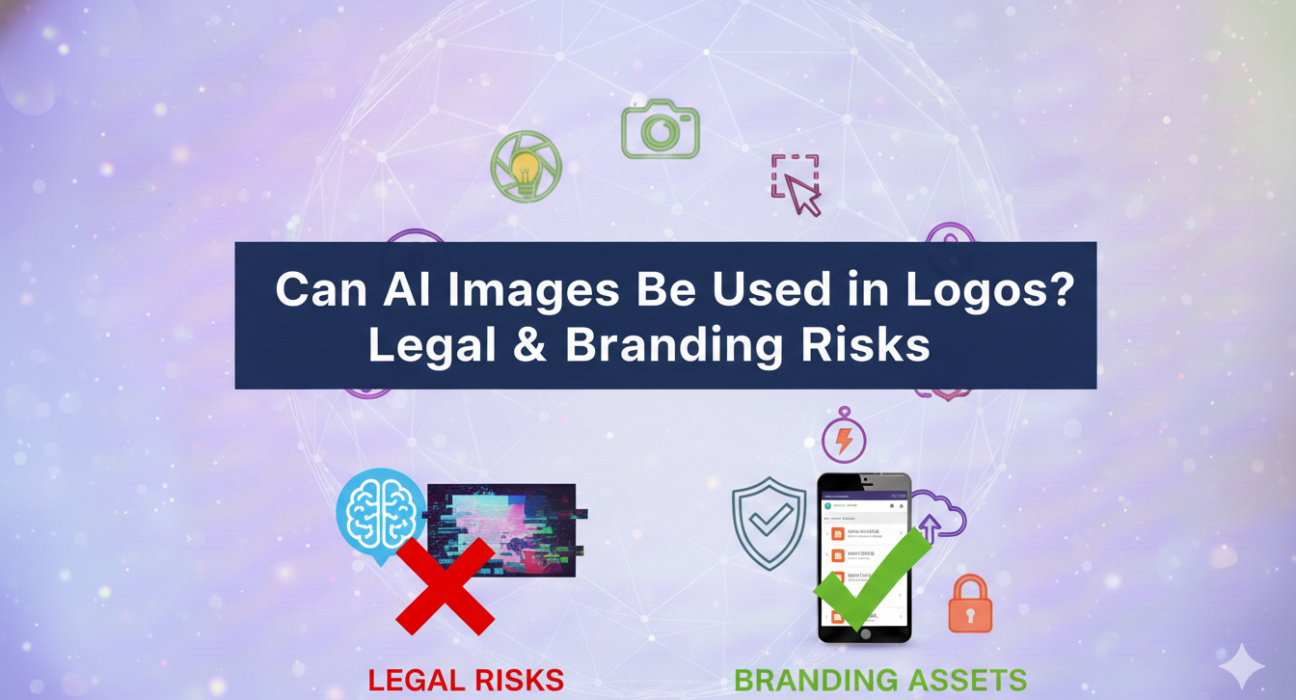
Explore All Tools Now !The integration of artificial intelligence (AI) into creative processes has revolutionized how businesses develop logos and branding materials. However, utilizing AI-generated designs introduces complex legal questions regarding intellectual property (IP) ownership and potential disputes. This article explores the legal implications of employing AI tools for brand creation and offers guidance on navigating these challenges.
Understanding AI-Generated Content and IP Ownership
Traditional IP laws are built on the premise of human authorship. In the context of AI-generated content, determining authorship becomes ambiguous, leading to uncertainties about who holds the rights to such creations.
Copyright Considerations
Copyright law protects original works of authorship, granting creators exclusive rights to their creations. However, when an AI system generates a design without direct human input, the issue of authorship arises. The U.S. Copyright Office has clarified that works lacking human authorship do not qualify for copyright protection. This stance implies that purely AI-generated logos may not be eligible for copyright registration, leaving them unprotected under traditional copyright laws.
Trademark Implications
Trademarks protect symbols, names, and slogans that distinguish goods or services. The creation method—whether by a human or AI—is less relevant than the mark’s use in commerce. Therefore, AI-generated logos can be trademarked if they serve as unique identifiers and meet distinctiveness criteria. However, businesses must ensure that these AI-generated designs do not infringe on existing trademarks, which could lead to legal disputes.

ALSO READ: Google Display Ad Image Sizes Explained (With Best Practices)
Potential Ownership Disputes
Several factors can lead to ownership disputes over AI-generated branding materials:
- AI Tool Terms of Service: Some AI platforms may claim ownership or impose restrictions on commercial use of the generated content. It’s crucial to review and understand the terms of service of the AI tools employed to ensure compliance and clarify ownership rights.
- Human Involvement: The degree of human input in the creative process can influence IP rights. Designs resulting from significant human direction may qualify for protection, whereas those generated autonomously by AI might not.
- Third-Party Rights: AI systems trained on existing copyrighted materials may inadvertently produce content that infringes on third-party IP rights, leading to potential legal challenges.
Best Practices for Businesses
To mitigate risks associated with AI-generated branding, businesses should consider the following strategies:
- Review AI Platform Agreements: Carefully examine the terms and conditions of AI tools to understand usage rights, ownership claims, and any limitations on commercial use.
- Document Human Contribution: Maintain records of human involvement in the design process to support claims of authorship and strengthen IP protection.
- Conduct Thorough Trademark Searches: Before finalizing a logo, perform comprehensive searches to ensure it doesn’t infringe on existing trademarks, thereby avoiding potential disputes.
- Consult Legal Professionals: Engage with legal experts specializing in IP law to navigate the complexities surrounding AI-generated content and secure appropriate protections.
Conclusion
While AI offers innovative avenues for brand development, it also presents legal challenges concerning IP ownership and infringement risks. Businesses must proactively address these issues by understanding the legal landscape, scrutinizing AI tool agreements, ensuring human oversight in the creative process, and seeking legal counsel when necessary. By implementing these measures, companies can harness AI’s benefits while safeguarding their brand’s identity and mitigating potential legal pitfalls.